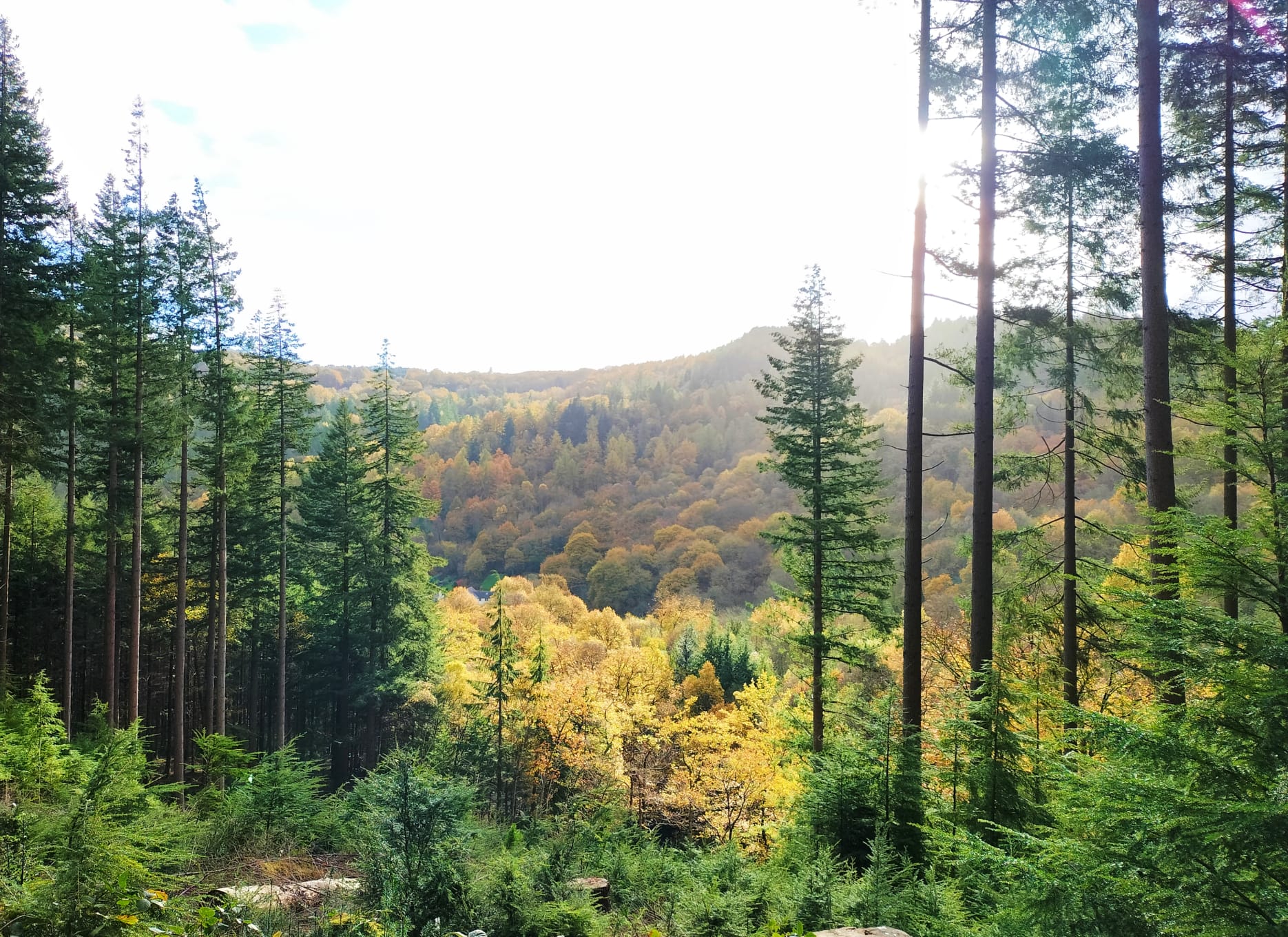
Whether you’re a woodland owner, forestry professional, or simply curious about trees, understanding the distinct characteristics of broadleaved and conifer species opens up a fascinating world of natural diversity. In this blog, we’ll explore the key differences between these two groups, their unique adaptations, and their remarkable abilities to influence their surroundings. From their growth patterns to their environmental benefits, these two tree types offer compelling insights into nature’s diversity.
Nature's Contrasting Design
Broadleaved trees, with their familiar flat leaves and spreading canopies, couldn’t be more different from their needle-bearing conifer cousins. While both groups have evolved successful strategies for survival, their approaches are remarkably distinct. Broadleaves typically shed their leaves annually, presenting a dynamic seasonal display, whilst most conifers maintain their needles year-round, standing as evergreen sentinels in our landscapes.
Nature's Contrasting Design
Broadleaved trees, with their familiar flat leaves and spreading canopies, couldn’t be more different from their needle-bearing conifer cousins. While both groups have evolved successful strategies for survival, their approaches are remarkably distinct. Broadleaves typically shed their leaves annually, presenting a dynamic seasonal display, whilst most conifers maintain their needles year-round, standing as evergreen sentinels in our landscapes.
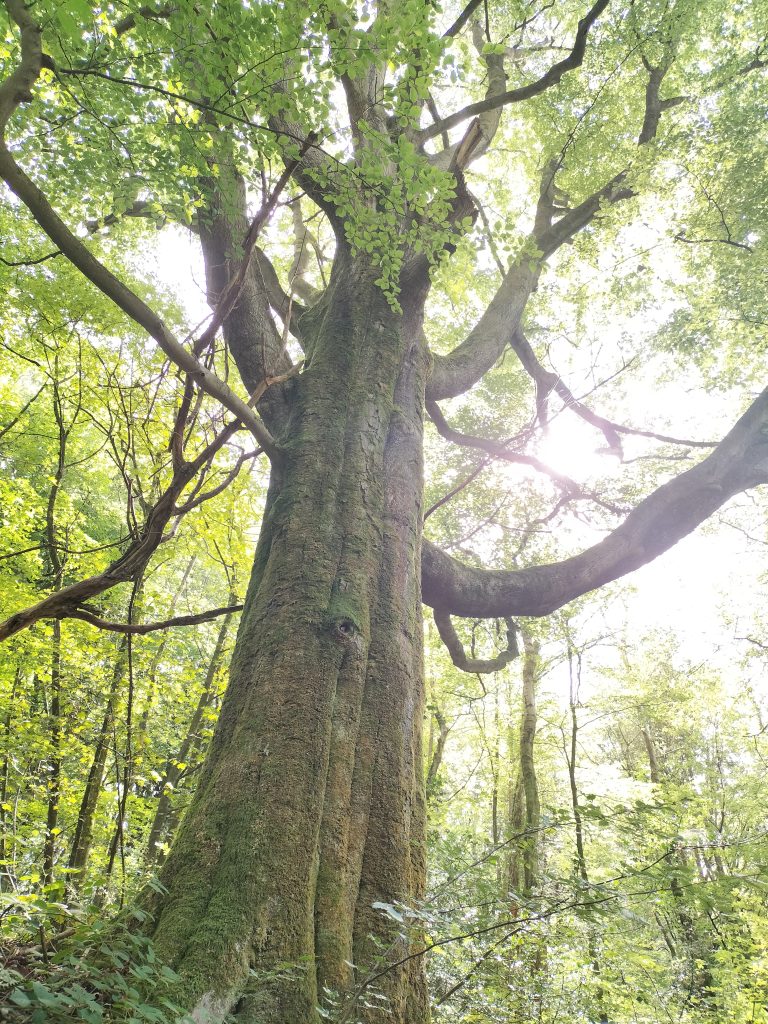
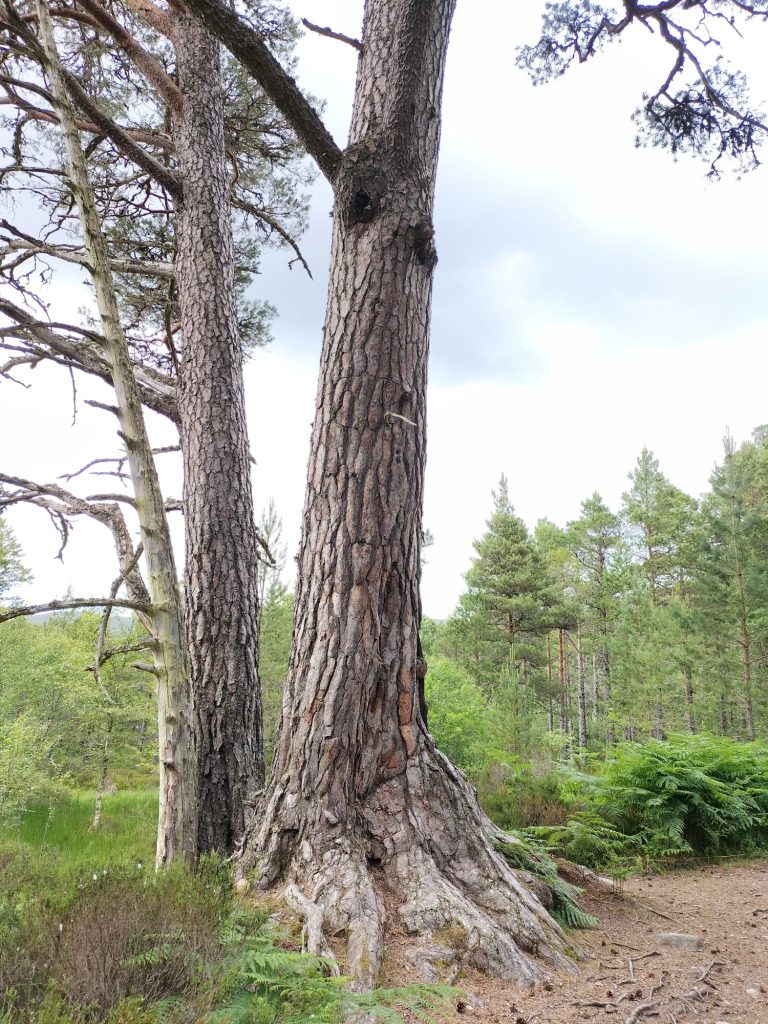
The fundamental differences in leaf structure between these two groups reflect millions of years of evolutionary adaptation. Broadleaves have developed large, flat leaves perfect for capturing sunlight in temperate conditions, while conifers’ needle-like leaves are ideally suited to harsh environments where water conservation is crucial.
The Light Challenge: Recovery and Adaptation
One of the most intriguing differences between these tree types lies in their response to sudden increases in light exposure. When mature trees are felled, creating gaps in the canopy, both types can struggle with the increased light intensity, but their recovery strategies differ significantly.
Broadleaved species have a natural advantage in their annual leaf renewal cycle. While their leaves might scorch in the increased light, they can adapt to new conditions within two growing seasons as they produce new, better-adapted foliage. This relatively quick adjustment period is a testament to their flexibility and demonstrates their remarkable ability to respond to environmental changes.
Conifers face a more prolonged challenge. Their needles can persist for up to ten years, meaning that needles developed in shaded conditions must endure until they’re naturally replaced. This extended period can create stress for the tree as it gradually adjusts to the new light regime. Forest managers must consider these adaptation periods when planning thinning operations or creating new woodland openings.
Natural Air Purifiers: The Hidden Benefits
Both tree types contribute to air quality, but conifers have a particularly fascinating role. They produce special compounds called terpenes, which are part of their natural defence system against pests and diseases. These terpenes, along with other substances known as phytoncides, don’t just protect the trees…they can also benefit human health.
Conifers are especially prolific producers of these beneficial compounds, making conifer woodlands particularly interesting from a health perspective. Their year-round foliage means they’re constantly releasing these substances, creating what some researchers call a ‘forest bathing’ effect. This has led to increasing interest in the therapeutic potential of conifer-dominated woodlands.
Natural Air Purifiers: The Hidden Benefits
Both tree types contribute to air quality, but conifers have a particularly fascinating role. They produce special compounds called terpenes, which are part of their natural defence system against pests and diseases. These terpenes, along with other substances known as phytoncides, don’t just protect the trees…they can also benefit human health.
Conifers are especially prolific producers of these beneficial compounds, making conifer woodlands particularly interesting from a health perspective. Their year-round foliage means they’re constantly releasing these substances, creating what some researchers call a ‘forest bathing’ effect. This has led to increasing interest in the therapeutic potential of conifer-dominated woodlands.
Growth Patterns: The Race to the Sky
The growth strategies of these tree types tell an interesting tale. Broadleaves often focus on spreading their branches wide, creating a broad crown that maximises light capture. Their wood tends to be denser, growing more slowly but producing timber prized for its strength and beauty. This growth pattern creates the characteristic domed canopies we associate with mature oak, beech, and other broadleaved woodlands.
Conifers, by contrast, often prioritise height over spread. Species like the Sitka spruce can rocket skyward at impressive rates, sometimes growing over a metre annually in ideal conditions. Their straight, uniform trunks and natural self-pruning qualities make them particularly valuable for commercial forestry. This rapid growth comes at the cost of wood density, but the speed of production often makes this a worthwhile trade-off in commercial settings.
Environmental Heroes
Both tree types play crucial but different environmental roles. Broadleaved woodlands often support more diverse wildlife communities, their flowers, fruits, and varied structure providing food and shelter for countless species. Their leaf litter also enriches soil more rapidly than conifer needles, creating rich woodland soils that support diverse ground flora.
Conifers excel in other ways. Their dense evergreen canopies offer crucial winter shelter for wildlife and can be particularly effective at capturing pollutants in urban areas. They’re also champions at rapid carbon sequestration, making them valuable allies in climate change mitigation. In upland areas, conifers can help stabilise slopes and regulate water flow, reducing flood risks downstream.
Environmental Heroes
Both tree types play crucial but different environmental roles. Broadleaved woodlands often support more diverse wildlife communities, their flowers, fruits, and varied structure providing food and shelter for countless species. Their leaf litter also enriches soil more rapidly than conifer needles, creating rich woodland soils that support diverse ground flora.
Conifers excel in other ways. Their dense evergreen canopies offer crucial winter shelter for wildlife and can be particularly effective at capturing pollutants in urban areas. They’re also champions at rapid carbon sequestration, making them valuable allies in climate change mitigation. In upland areas, conifers can help stabilise slopes and regulate water flow, reducing flood risks downstream.
Commercial Considerations and Management
For landowners and forest managers, understanding these differences is crucial for successful woodland management. Broadleaves typically require more intensive early management to develop good timber form but can produce high-value specialist timber. Their longer rotation lengths (often 80-150 years) require a patient approach to forestry.
Conifers, with their faster growth rates and shorter rotations (typically 40-60 years), offer quicker returns on investment. They’re generally easier to establish and require less formative pruning, making them popular in commercial forestry. However, their timber often commands lower prices per unit volume compared to quality broadleaved timber.
Looking to the Future
As climate change presents new challenges, the distinct characteristics of broadleaves and conifers may become even more significant. Their different approaches to survival, growth, and adaptation offer valuable lessons in resilience. Understanding these differences helps us make better decisions about tree planting, woodland management, and conservation.
Mixed woodlands, incorporating both broadleaves and conifers, often provide the best of both worlds. They offer enhanced resilience against pests and diseases, improved biodiversity, and more diverse income streams. They also create more interesting landscapes and recreational spaces, contributing to both environmental and social benefits.
Whether you’re managing forests or simply appreciating their presence, recognising the unique qualities of broadleaves and conifers enriches our understanding of these remarkable organisms. Both groups have earned their place in our forests through millions of years of evolution, and both will continue to play vital roles in our future landscapes.