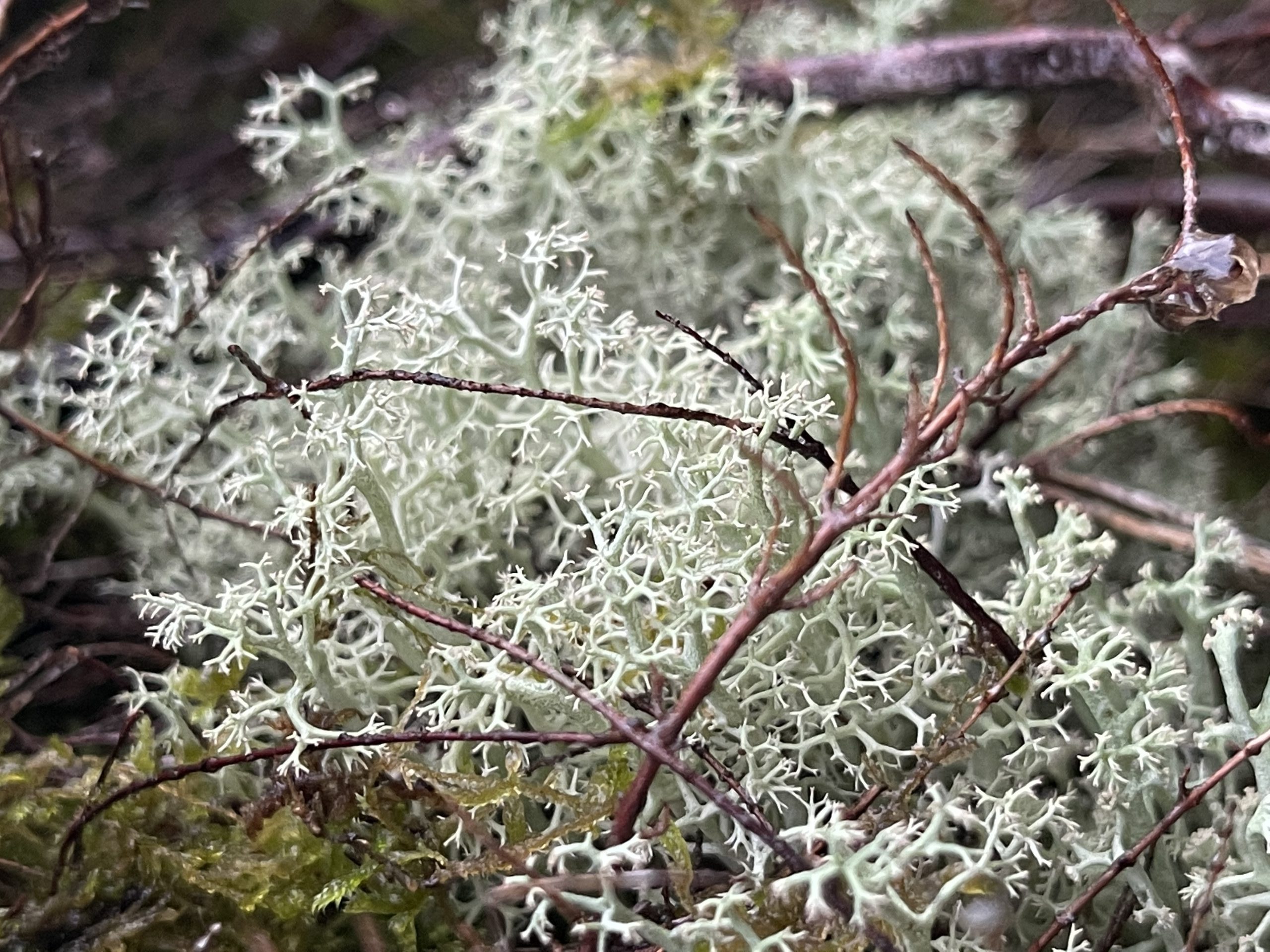
What are Lichens?
Lichens are some of the most overlooked yet vital components of woodland ecosystems. Found clinging to tree trunks, rocks, and even soil, these unique organisms are actually a partnership between fungi and algae (or cyanobacteria). This symbiotic relationship allows lichens to survive in some of the harshest environments, from ancient forests to windswept cliffs. But beyond their fascinating biology, lichens play an essential role in woodland restoration, helping to improve biodiversity, stabilise ecosystems, and monitor air quality.
In this blog, we’ll explore what lichens are, how they contribute to woodland restoration, and why they, along with bryophytes and epiphytes, deserve more attention in conservation efforts.
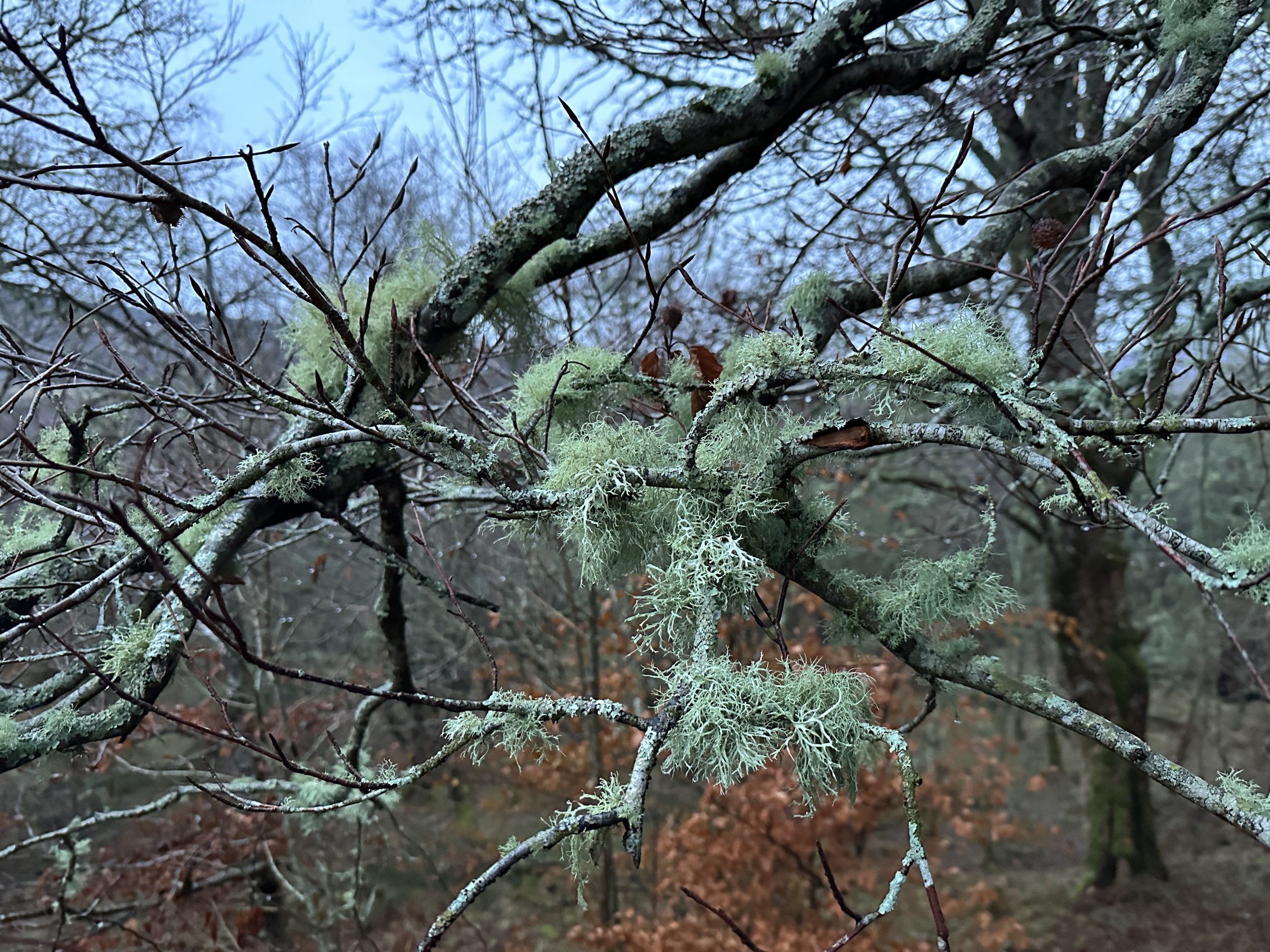
Understanding Lichens, Bryophytes, and Epiphytes
Lichens are composite organisms made up of a fungal partner (the mycobiont) and a photosynthetic partner (the photobiont), which can be algae or cyanobacteria. The fungus provides structure and protection, while the algae produce food through photosynthesis. This partnership enables lichens to thrive in nutrient-poor environments, making them an essential component of woodland recovery.
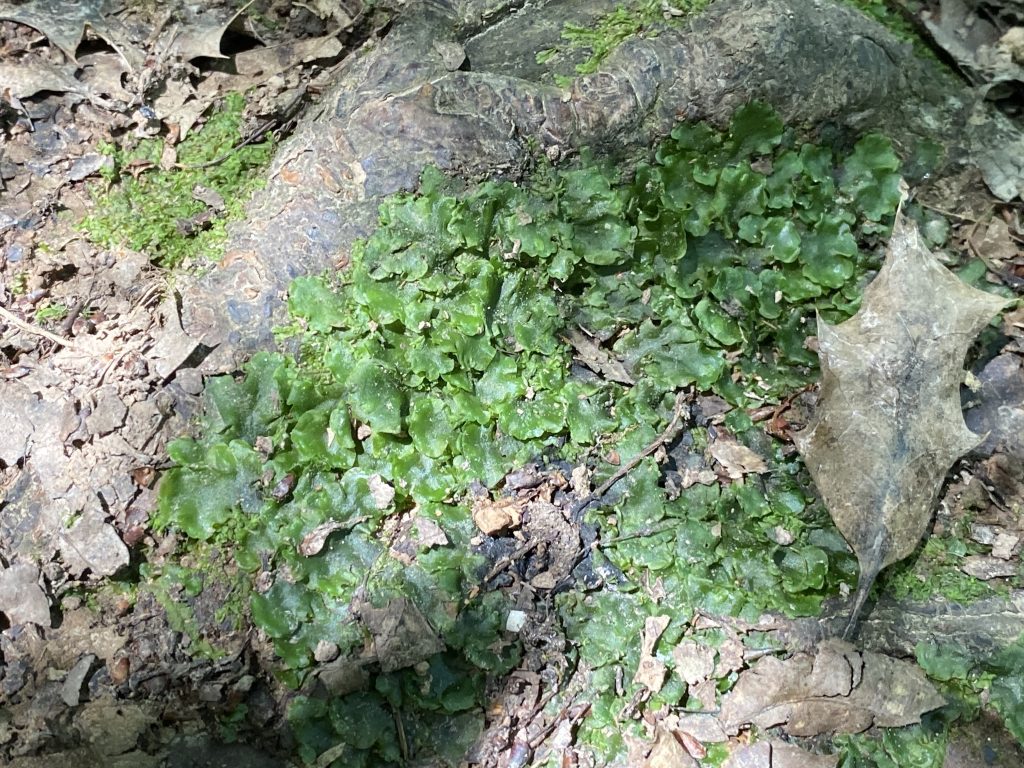
Bryophytes—mosses, liverworts, and hornworts—are small, non-vascular plants that thrive in moist, shaded woodland environments. They play a crucial role in ecosystem health by retaining moisture, contributing to soil formation, and providing habitat for invertebrates.
Epiphytes, which include certain lichens, mosses, and ferns, grow on trees and other surfaces without drawing nutrients from their host. Instead, they absorb moisture and nutrients from the air, rain, and debris that accumulates around them. Their presence is a sign of a healthy, humid forest environment.
Understanding Lichens, Bryophytes, and Epiphytes
Lichens are composite organisms made up of a fungal partner (the mycobiont) and a photosynthetic partner (the photobiont), which can be algae or cyanobacteria. The fungus provides structure and protection, while the algae produce food through photosynthesis. This partnership enables lichens to thrive in nutrient-poor environments, making them an essential component of woodland recovery.
Bryophytes—mosses, liverworts, and hornworts—are small, non-vascular plants that thrive in moist, shaded woodland environments. They play a crucial role in ecosystem health by retaining moisture, contributing to soil formation, and providing habitat for invertebrates.
Epiphytes, which include certain lichens, mosses, and ferns, grow on trees and other surfaces without drawing nutrients from their host. Instead, they absorb moisture and nutrients from the air, rain, and debris that accumulates around them. Their presence is a sign of a healthy, humid forest environment.
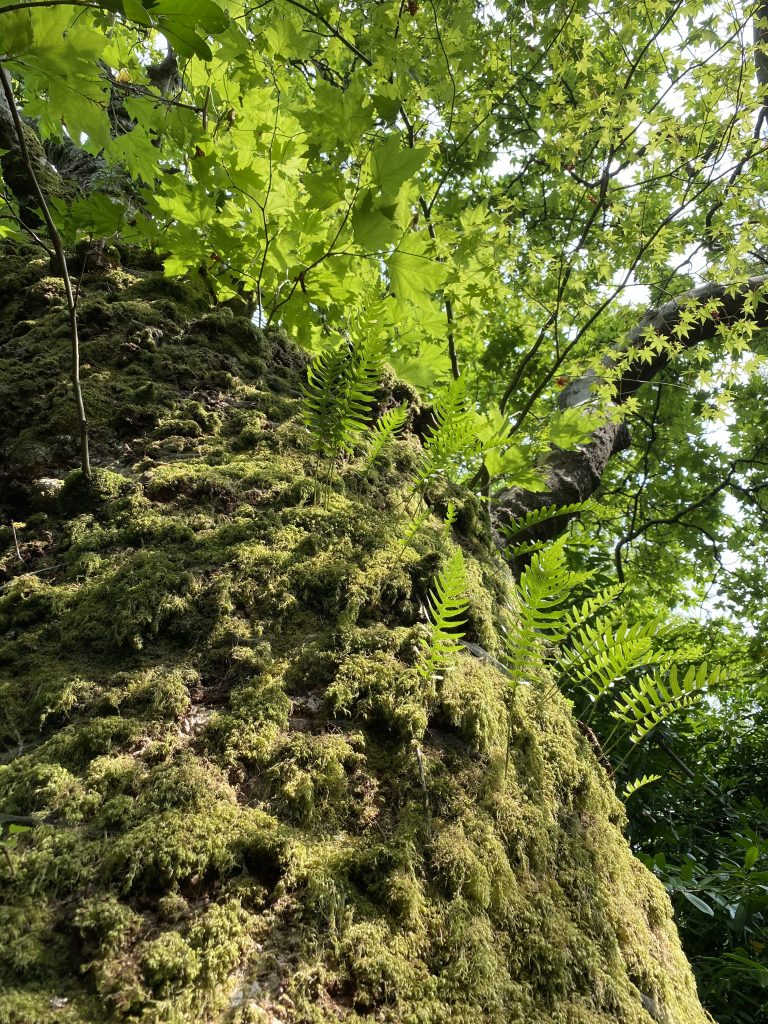
Lichens and Their Role in Woodland Restoration
As woodlands face increasing threats from habitat destruction, climate change, and diseases like ash dieback, lichens and other lower plants play a surprisingly important role in their recovery.
1. Soil Stabilisation and Nutrient Cycling
In areas affected by tree loss or soil erosion, lichens and bryophytes help stabilise the ground, preventing further degradation. Some lichens can even fix atmospheric nitrogen, enriching the soil and creating conditions for other plant species to establish and grow. This is particularly valuable in woodland restoration, where rebuilding a stable forest floor is crucial for long-term recovery.
2. Providing Habitat and Supporting Biodiversity
Lichens, mosses, and epiphytes create microhabitats that support a diverse range of invertebrates, including insects and arachnids. These, in turn, provide food for birds and other wildlife. Woodland restoration isn’t just about replanting trees; it’s about restoring entire ecosystems. By fostering biodiversity at a microscopic level, lichens contribute to the health of the entire woodland community.
3. Indicators of Air Quality and Environmental Health
Lichens are highly sensitive to air pollution, particularly to sulfur dioxide and nitrogen compounds. Their presence (or absence) in a woodland can indicate levels of pollution and habitat quality. By monitoring lichen diversity and health, conservationists can assess the progress of woodland restoration efforts and make informed decisions about land management.
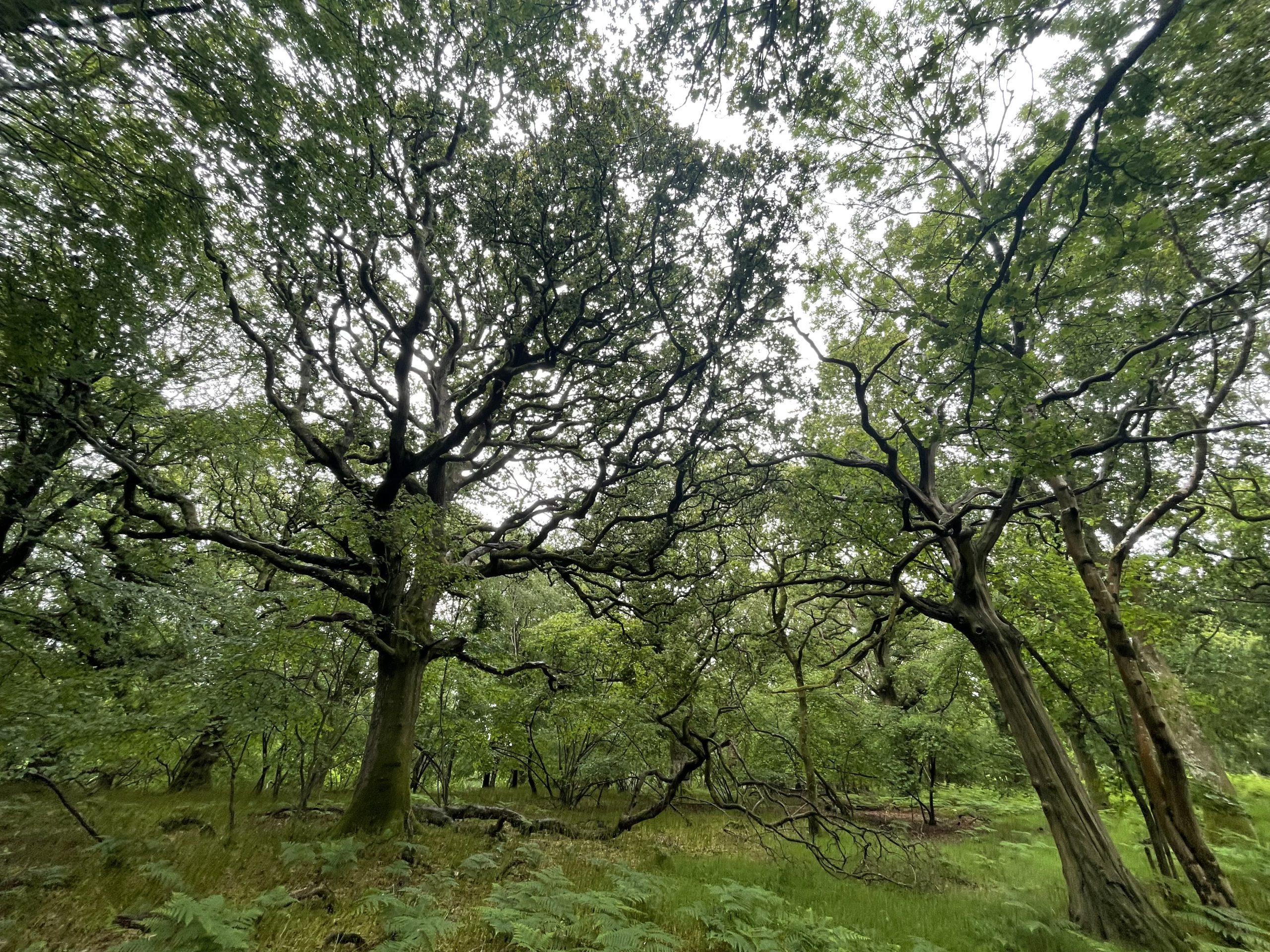
Bryophytes and Epiphytes in Woodland Recovery
Just like lichens, bryophytes and epiphytes contribute significantly to woodland restoration. Mosses act as natural sponges, retaining moisture and preventing soil from drying out. This is especially crucial in degraded woodlands where canopy loss has increased exposure to wind and sun. Liverworts and hornworts contribute to nutrient cycling, breaking down organic matter and enriching the soil.
Epiphytes, such as certain ferns and lichens, thrive in mature woodlands, particularly those with high humidity and stable microclimates. Their presence can be a sign that a recovering woodland is reaching a healthier state, supporting a more diverse range of species.
Bryophytes and Epiphytes in Woodland Recovery
Just like lichens, bryophytes and epiphytes contribute significantly to woodland restoration. Mosses act as natural sponges, retaining moisture and preventing soil from drying out. This is especially crucial in degraded woodlands where canopy loss has increased exposure to wind and sun. Liverworts and hornworts contribute to nutrient cycling, breaking down organic matter and enriching the soil.
Epiphytes, such as certain ferns and lichens, thrive in mature woodlands, particularly those with high humidity and stable microclimates. Their presence can be a sign that a recovering woodland is reaching a healthier state, supporting a more diverse range of species.
Conservation Challenges and the Future of Woodland Restoration
Despite their ecological importance, lichens, bryophytes, and epiphytes often receive little attention in conservation strategies. Many species are highly sensitive to environmental change, and factors such as deforestation, air pollution, and climate change threaten their survival. In woodland restoration projects, ensuring that conditions support their growth is just as important as planting new trees.
Efforts to protect and restore ancient woodland habitats must include an awareness of these organisms. Reducing air pollution, maintaining humidity levels, and protecting old trees with established epiphyte communities can all contribute to their conservation.
Conclusion
Lichens, bryophytes, and epiphytes may be small, but their impact on woodland ecosystems is immense. From stabilising soil to providing habitats and acting as environmental indicators, they are key players in the restoration of healthy woodlands. As we work to restore and protect forests impacted by ash dieback and other threats, recognising the role of these often-overlooked organisms will be essential in ensuring the long-term success of conservation efforts.